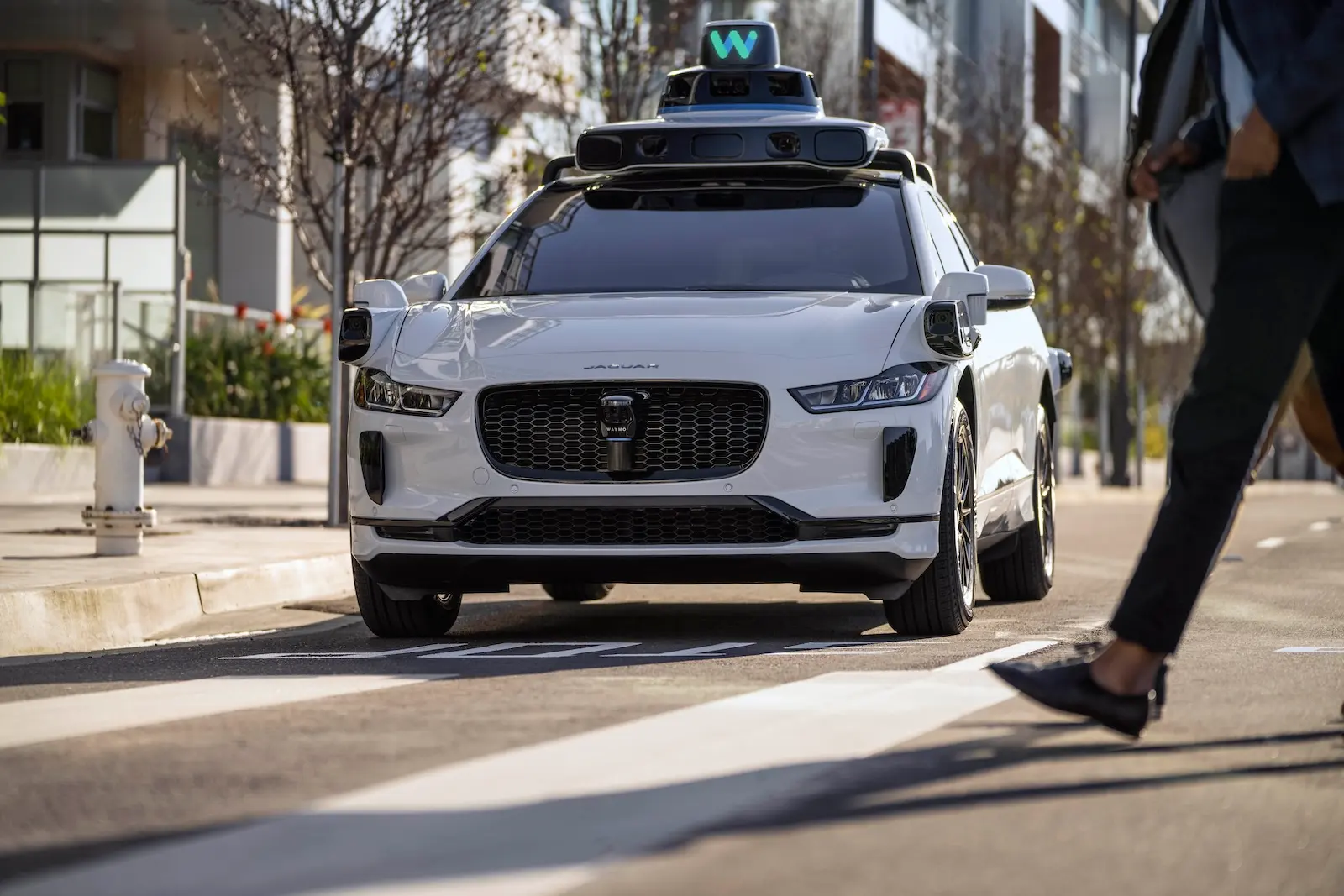
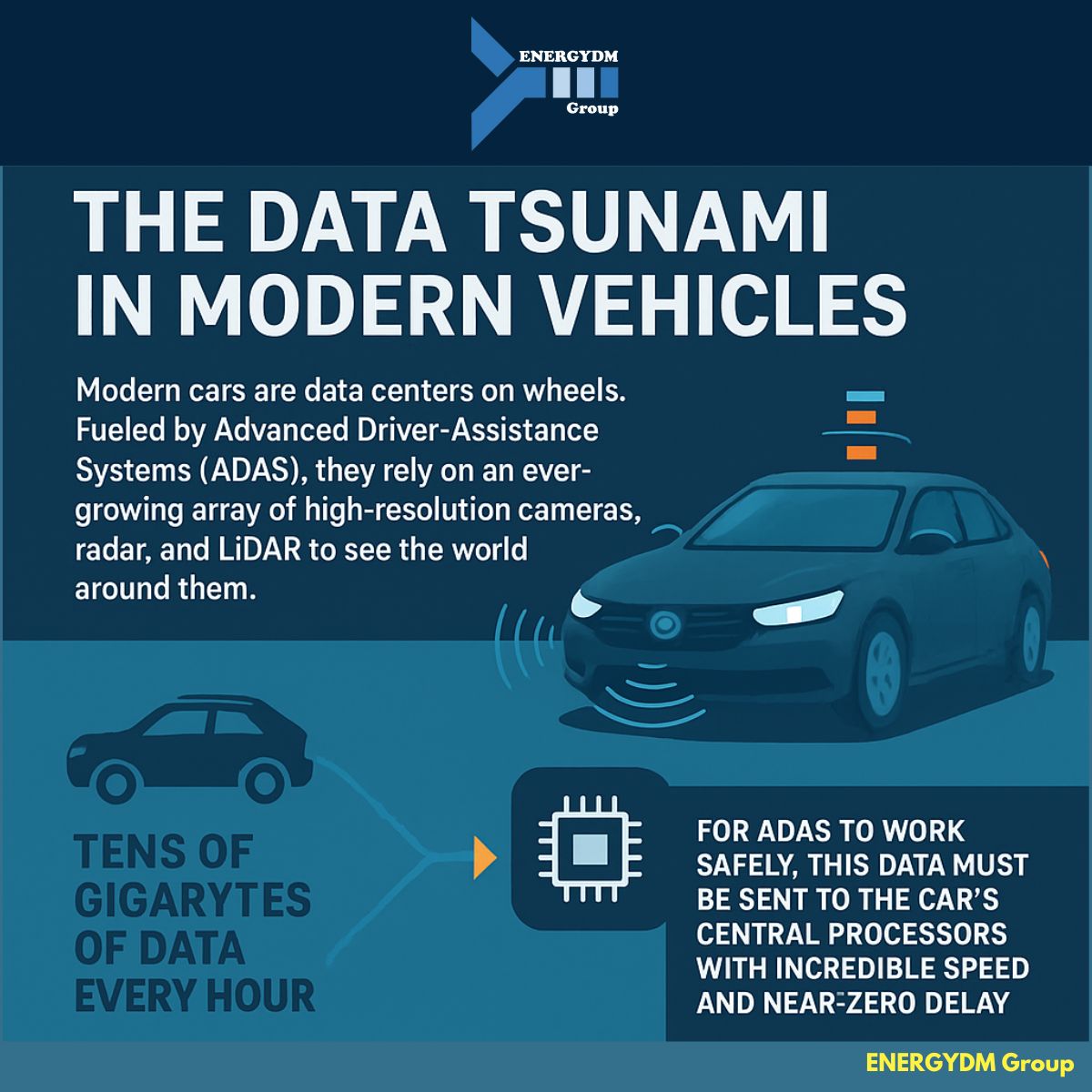
🚗📸 As vehicles pack in more cameras (front HDR, surround park, DMS/OMS, thermal, you name it), wiring decisions are becoming a silent cost & performance battleground.
Your harness strategy can make or break weight targets, timing closure, and BOM.
Here’s the quick playbook we at ENERGYDM Group use when teams ask “Coax or Automotive Ethernet?” — plus why Hybrid/Zonal is winning 2025+ programs.
(Image: Keysight)
🔶 Use Coax When…
• Raw, uncompressed, sub-frame latency matters (AEB/LKAS vision).
• Power over Coax (PoC) simplifies edge camera modules.
• Strong EMI shielding needed near noisy loads.
• You rely on proven ASIL-capable camera links already validated in fleet.
Typical: High-res front/side long-range vision stacks.
🔷 Use Automotive Ethernet When…
• You’re aggregating many sensors in a zonal or centralized SDV platform.
• Need lightweight single-pair harness w/ PoDL power.
• TSN/QoS time sync across domains.
• Built-in security (MACsec) + OTA scalability.
Typical: Cabin DMS/OMS, compressed video feeds, cross-domain data share.


🟣 Hybrid / Bridge (Zonal Aggregator) = The Transition Strategy
Local SerDes from each camera ➜ short coax runs ➜ zone bridge converts to Ethernet upstream. Cuts harness mass and preserve low-latency links where you need them. Rapidly becoming the default in 2025+ ADAS & SDV programs.
Quick Decision Checklist ✅
1. Safety / latency critical? → Coax.
2. Many moderate-bandwidth sensors? → Ethernet (zonal).
3. Need both? → Hybrid bridge.
4. Weight/BOM under squeeze? Aggregate early.
5. Security & OTA roadmap? Plan Ethernet backbone.